Ga naar Nederlandstalige versie
Fuji-Q Highland
Fujiyoshida, Japan
“If Six Flags Japan existed, it would look and feel like this”
What’s your favourite Japanese volcano? I realise that it’s a bizarre, terribly specific question. Nevertheless, my personal answer is clear: Mount Prometheus at Tokyo DisneySea. This 190-feet giant doesn’t only look stunning in photos, but it’s also home to a spectacular underground expedition. Mount Prometheus therefore seems the most logical choice, yet the majority of tourists will name a different ‘favourite Japanese volcano’ and that’s Mount Fuji. It’s almost 70 times taller than Mount Prometheus, and its (usually snow-capped) summit can be seen on just about every postcard and magnet in Japanese tourist shops. According to some, you haven’t even been to the Land of the Rising Sun if you haven’t seen Fuji-san with your own eyes. I wouldn’t go that far, but it’s a fact that a picture of the mountain makes your photo album feel just a bit more complete. That’s why we decided to travel to the foot of Mount Fuji as well. And if there happens to be an amusement park there, we’ll consider that as a nice bonus.
Fuji-Q Highland is located in Fujiyoshida, a medium-sized town about 70 miles west of Tokyo. The most convenient way to get there seems to be the Highway Bus. It offers a direct connection between several transportation hubs in Tokyo and the amusement park. We’re boarding at the Yaesu Bus Terminal next to Tokyo Station. There are buses approximately every 30 minutes during the morning rush, and the journey takes just under two hours. It is possible to purchase tickets on the spot, but given the popularity of the route, I would recommend ordering them online in advance. You can do this either on the bus company’s website or on the Fuji-Q Highland website. When using the latter, you can add a Ride Pass (your admission ticket for the park and the attractions) to your order straight away.
HIGHLAND RESORT
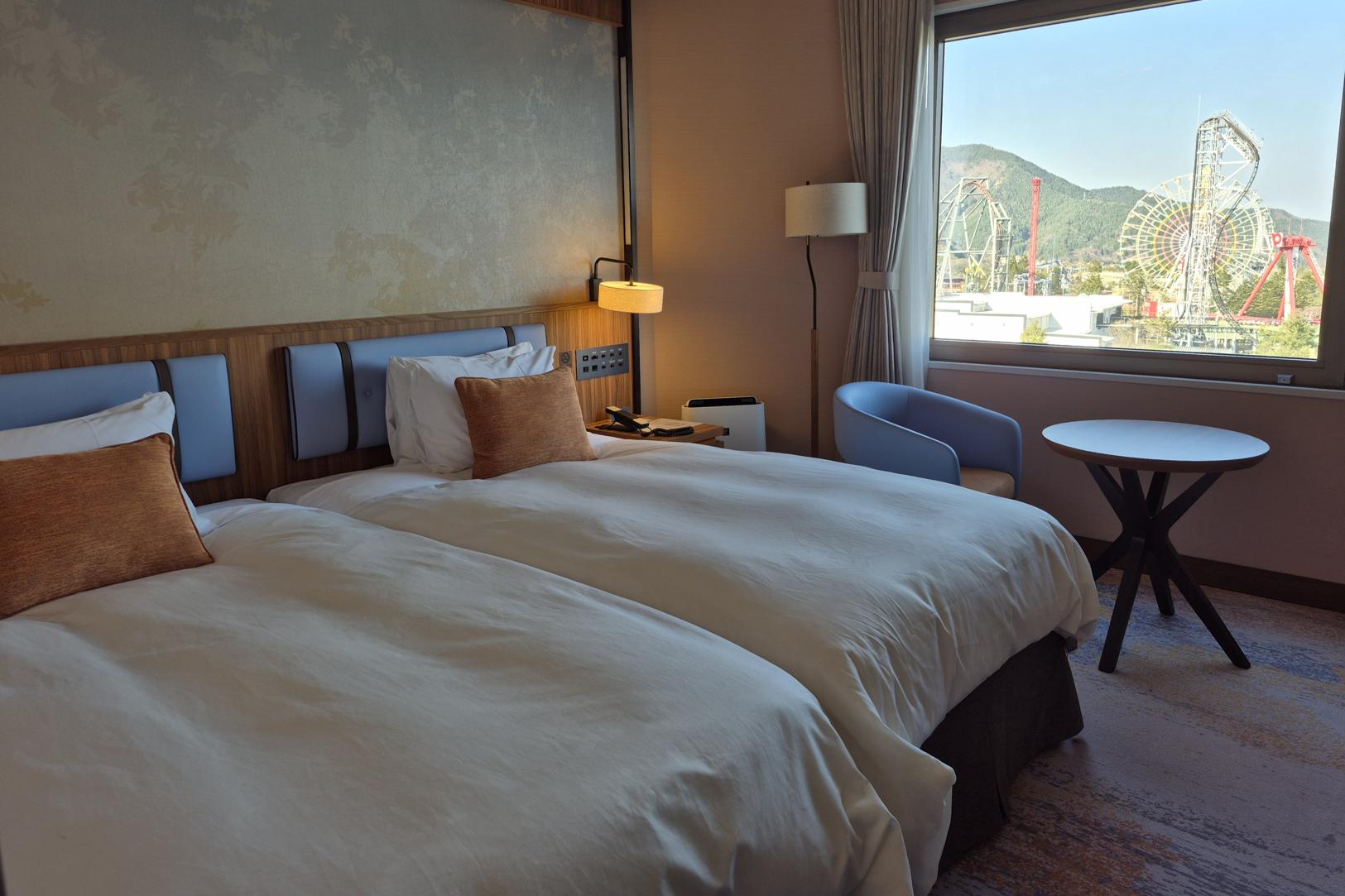
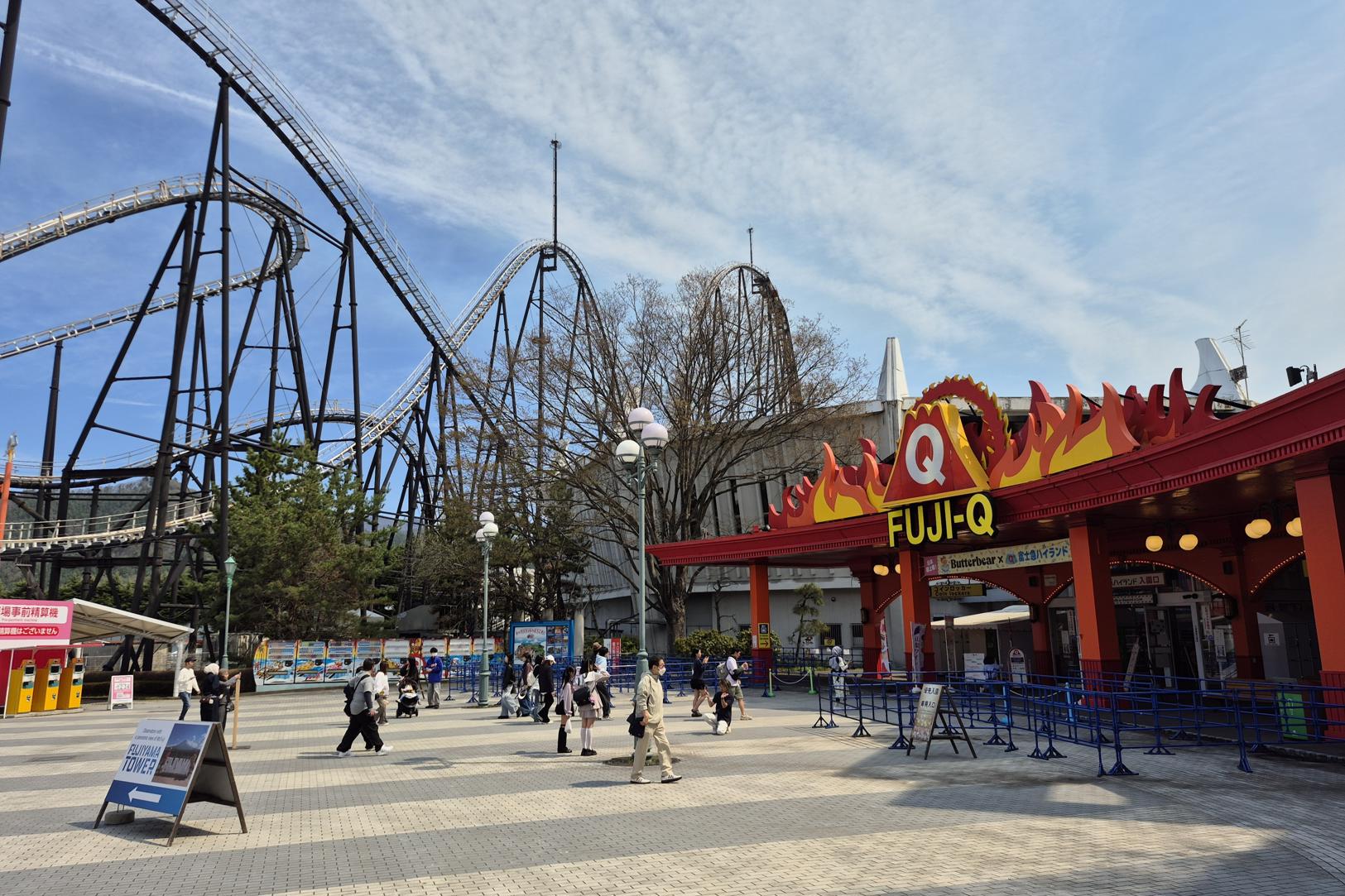
From Fuji-Q’s bus station, it’s just a short walk to La Ville de Gaspard et Lisa, a retail area featuring bakeries, a merry-go-round and a small-scale replica of the Eiffel Tower. This French-themed street doesn’t only lead to the entrance of Fuji-Q Highland, but it also serves as the backyard of the Highland Resort Hotel & Spa. This accommodation isn’t cheap, but its convenient location next to Fuji-Q and the included spa facilities are worth every penny. On top of that, we get to enjoy a very extensive breakfast buffet and breathtaking views of Mount Fuji. Bear in mind, however, that this isn’t a classic theme park hotel. There is no theming whatsoever, so the interior design reminds us more of a run-of-the-mill Marriott or Hilton. Only the panoramic window behind the reception desk (which shows a skyline full of roller coaster tracks) reminds us that we’re in the right place for thrills.
ROLLER COASTERS
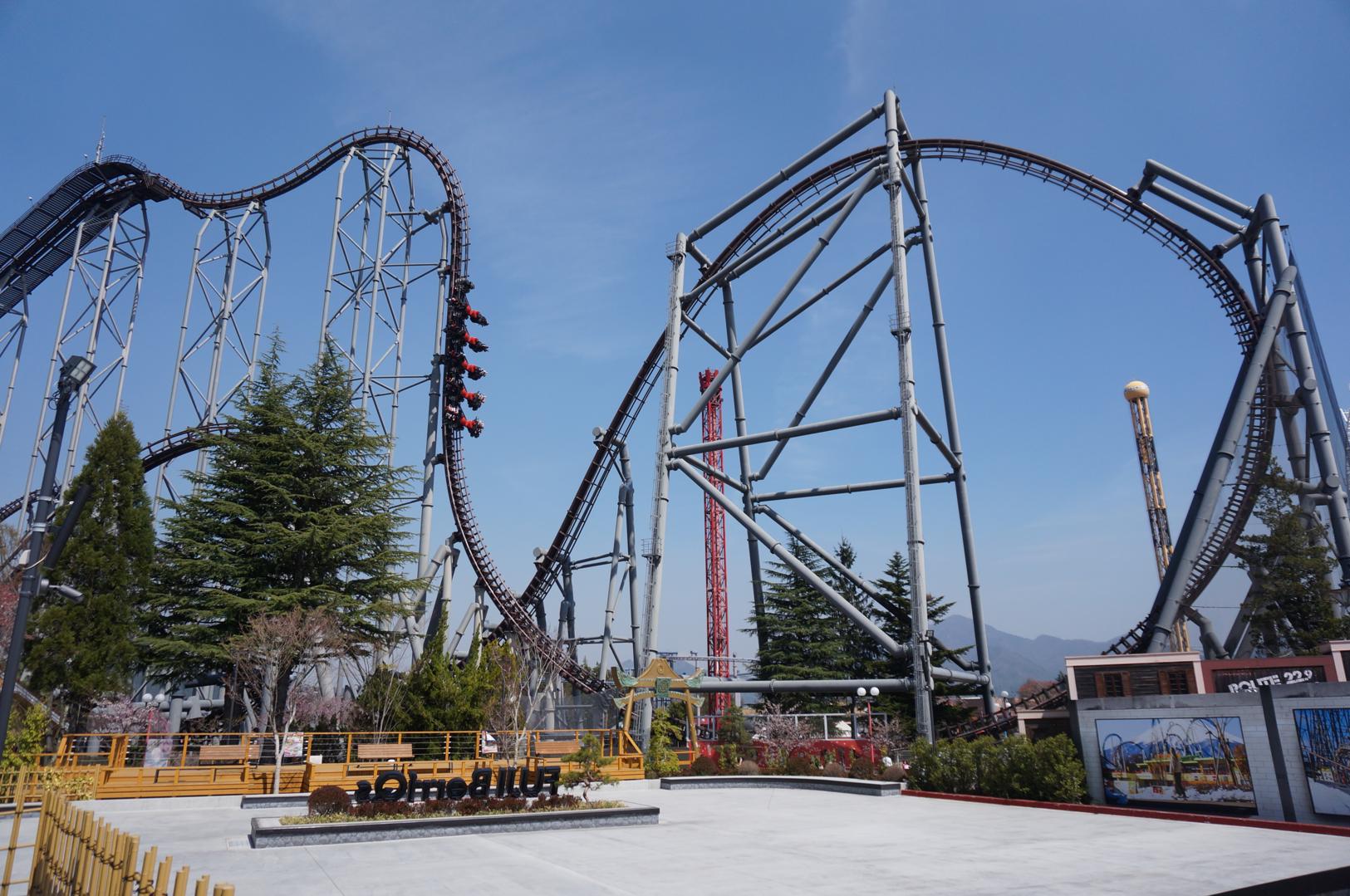
Fuji-Q Highland currently offers 6 credits. That’s considerably less than the 13 operational coasters of Nagashima Spa Land, located 125 miles to the west. Nevertheless, you shouldn’t underestimate Fuji-Q’s lineup, as the park has plenty of thrill rides on offer. In the past, it was home to the extremely fast-accelerating Do-Dodonpa and Moonsault Scramble, a shuttle coaster that subjected its passengers to a whopping 6.5 Gs. The park’s current headliner is probably Eejanaika, a 4th Dimension Coaster built by S&S Worldwide. This is a slightly longer, slightly taller and slightly faster version of X2 at Six Flags Magic Mountain. Eejanaika therefore creates an even greater thrill than its Californian counterpart. At times, it may even be difficult to tell which way you’re actually going and whether you’re doing it upright or upside down. By the way… the very best moment on both Eejanaika and X2 is the first drop. It is incredible to plunge down from 250 feet (76 metres) with your face aimed towards the ground. Still, I wouldn’t call Eejanaika a perfect roller coaster because of the roughness. Although it does seem somewhat smoother than X2, it remains a rather turbulent experience. Not suitable for the faint of heart.
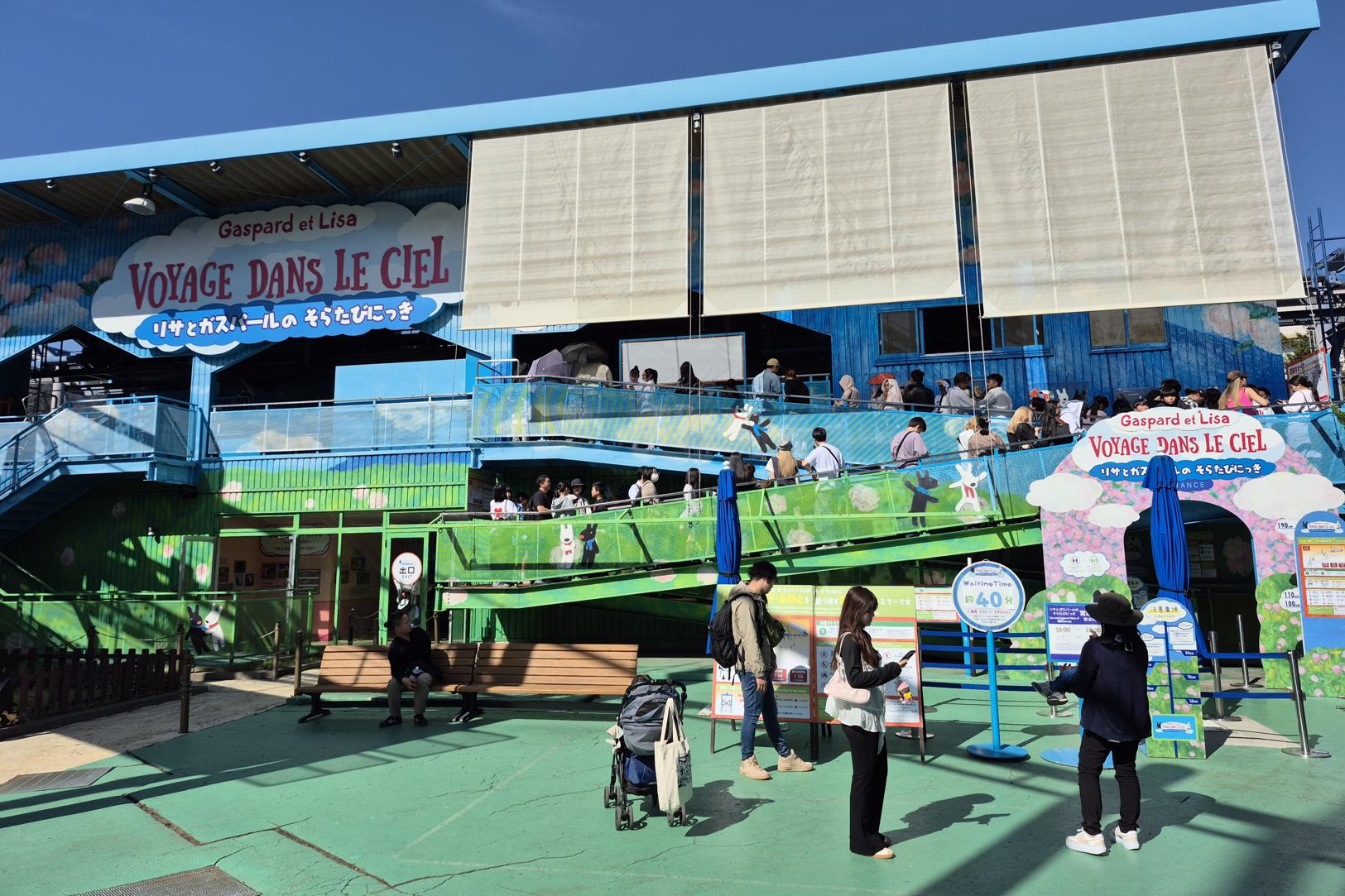
A ride on Eejanaika is always preceded by a thorough security check. We aren’t just expected to hand in our backpacks, but we also have to put our shoes and watches in a locker. Staff then ask several times whether we’ve emptied our pockets, which is verified once more with a metal detector. Whilst these checks seem the most rigorous at Eejanaika, Fuji-Q’s other attractions also have a strict loose item policy. Even a children’s coaster like Voyage dans le Ciel features an airport-style security check. That feels a bit odd, as this inverted coaster is anything but intense. Passengers take their seats in small, cloud-shaped trains and they’re accompanied by Gaspard and Lisa, two French dogs. The layout consists of gentle descents and relatively slow turns. Still, I’d recommend bracing yourself when approaching the final brake section, as the train comes to a full stop in a rather brutal way.
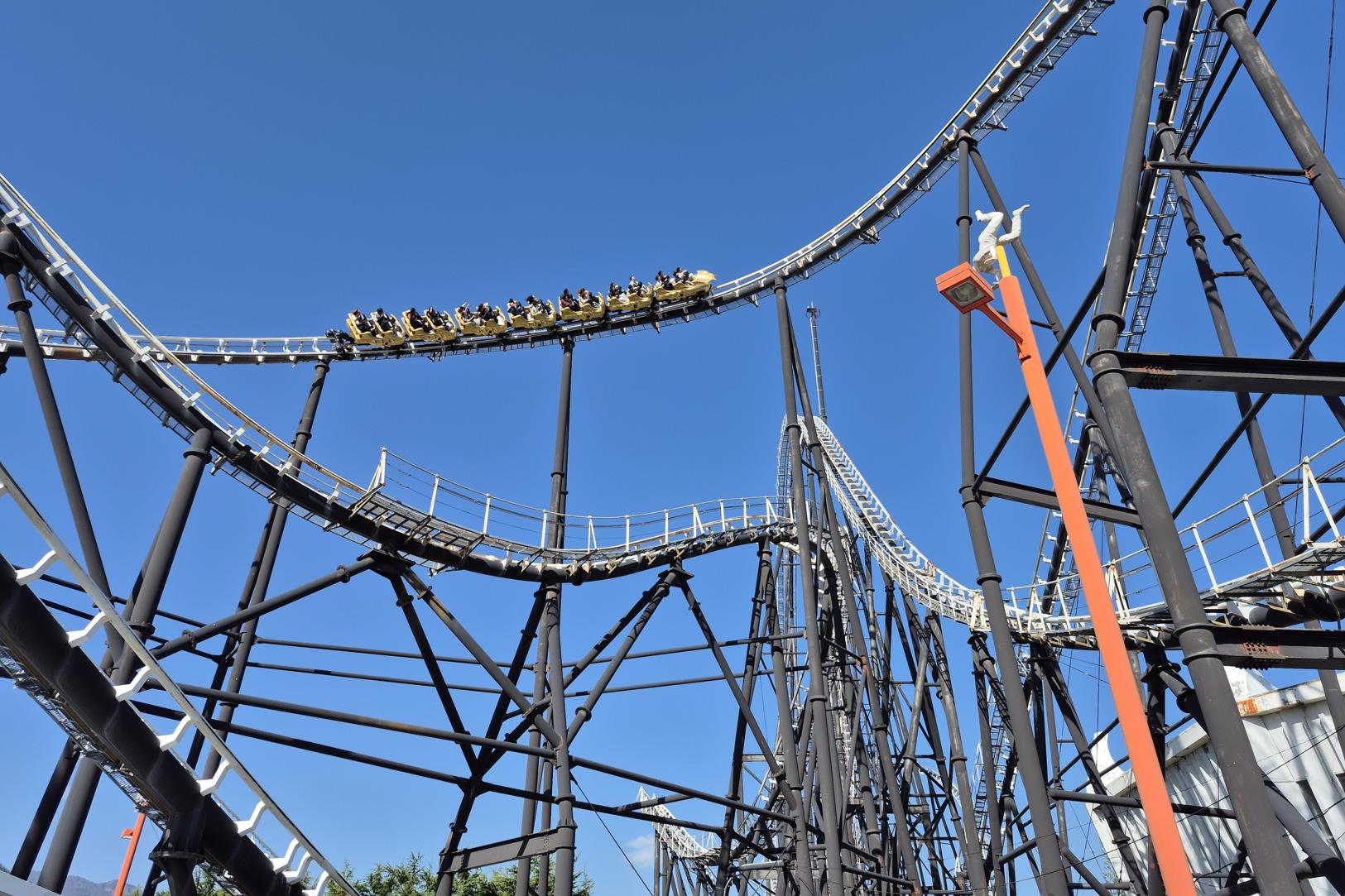
Fujiyama offers some kind of Voyage dans le Ciel as well, as this is a hyper coaster with a height of 260 feet (79 metres). One might wonder whether Fujiyama still lives up to its King of Coasters nickname, though. After all, none of the four world records that Fujiyama broke at its opening remain standing today. Still, it’s still an impressive machine with an unusually long layout and some very shiny trains. After pulling down the (rather heavy) safety bar, we get to discover a roller coaster with a split personality. Fujiyama’s first half turns out to be excellent. Although the first drop could’ve easily been a bit steeper, we experience an excellent sense of speed. Besides, the high-altitude turnaround offers a priceless view of Mount Fuji. Unfortunately, the second half of the ride turns out to be considerably less enjoyable. In this twisty section, passengers are violently thrown from left to right, resulting in a rather painful experience. The aggressiveness of the ride is kind of hilarious, but as far as I’m concerned, it’s not an experience I’d want to repeat.
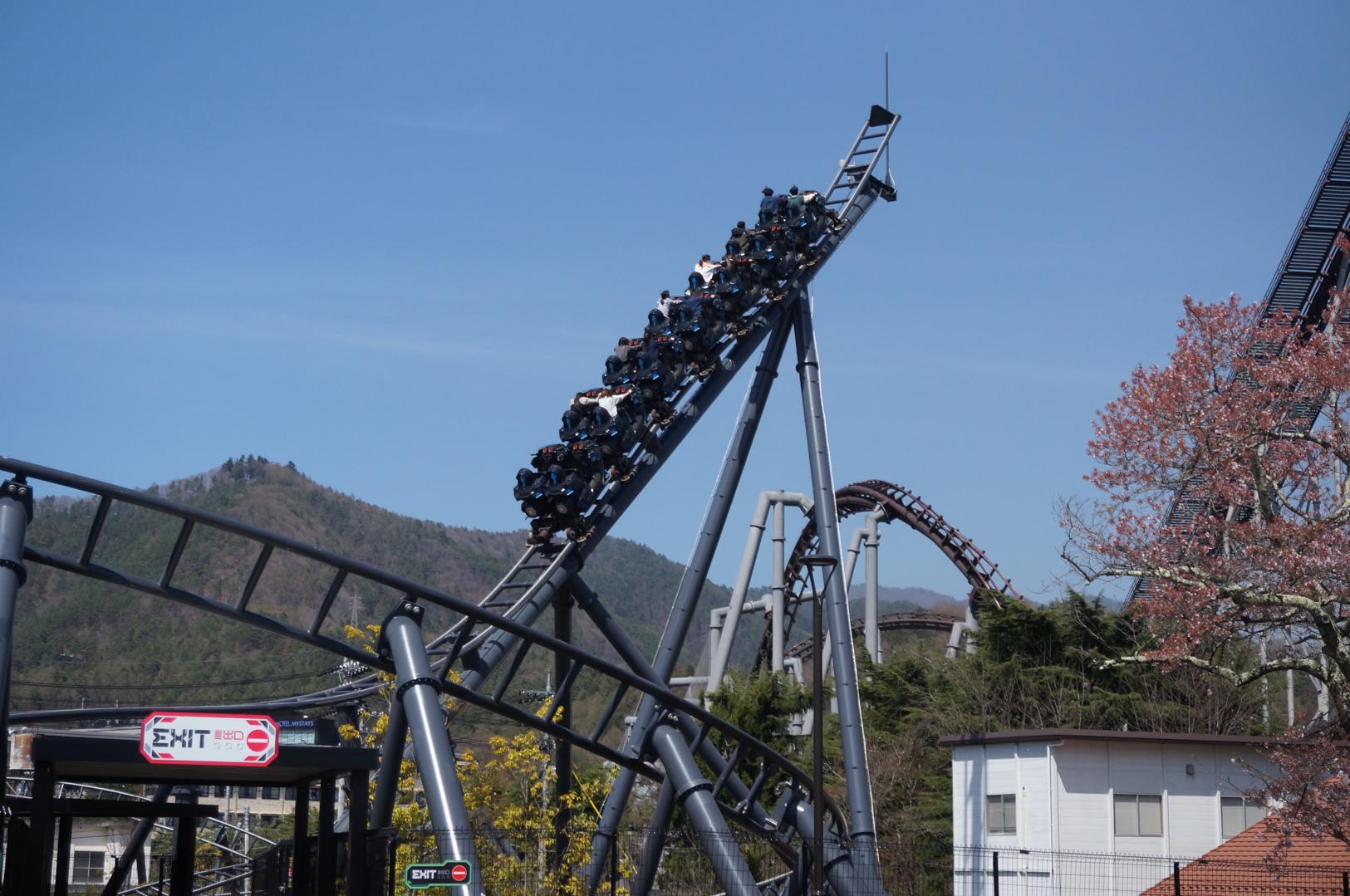
Fuji-Q Highland currently has fewer credits than it did during our first visit in 2013. Back then, we were still able to ride the surprisingly fun Mad Mouse and the legendary Dodonpa, but both rides were removed a few years later. Today, we discover just one new roller coaster, and that’s Zokkon. This Family Launch Coaster opened in 2023 and it appears to be Fuji-Q’s version of Juvelen (Djurs Sommerland), with a touch of Hagrid’s Magical Creatures Motorbike Adventure (Universal Islands of Adventure). I count both Juvelen and Hagrid’s among my favourite family coasters, so it goes without saying that I like Zokkon too. This is largely due to the extremely smooth ride and the twisty, surprisingly long layout. Still, you certainly shouldn’t expect any major thrills. The accelerations are relatively tame, and halfway through the ride the momentum is completely broken by a painfully slow switch track. That’s why Zokkon isn’t perfect, but I certainly appreciate the fact that this sensation-focused park invested in a slightly milder thrill.
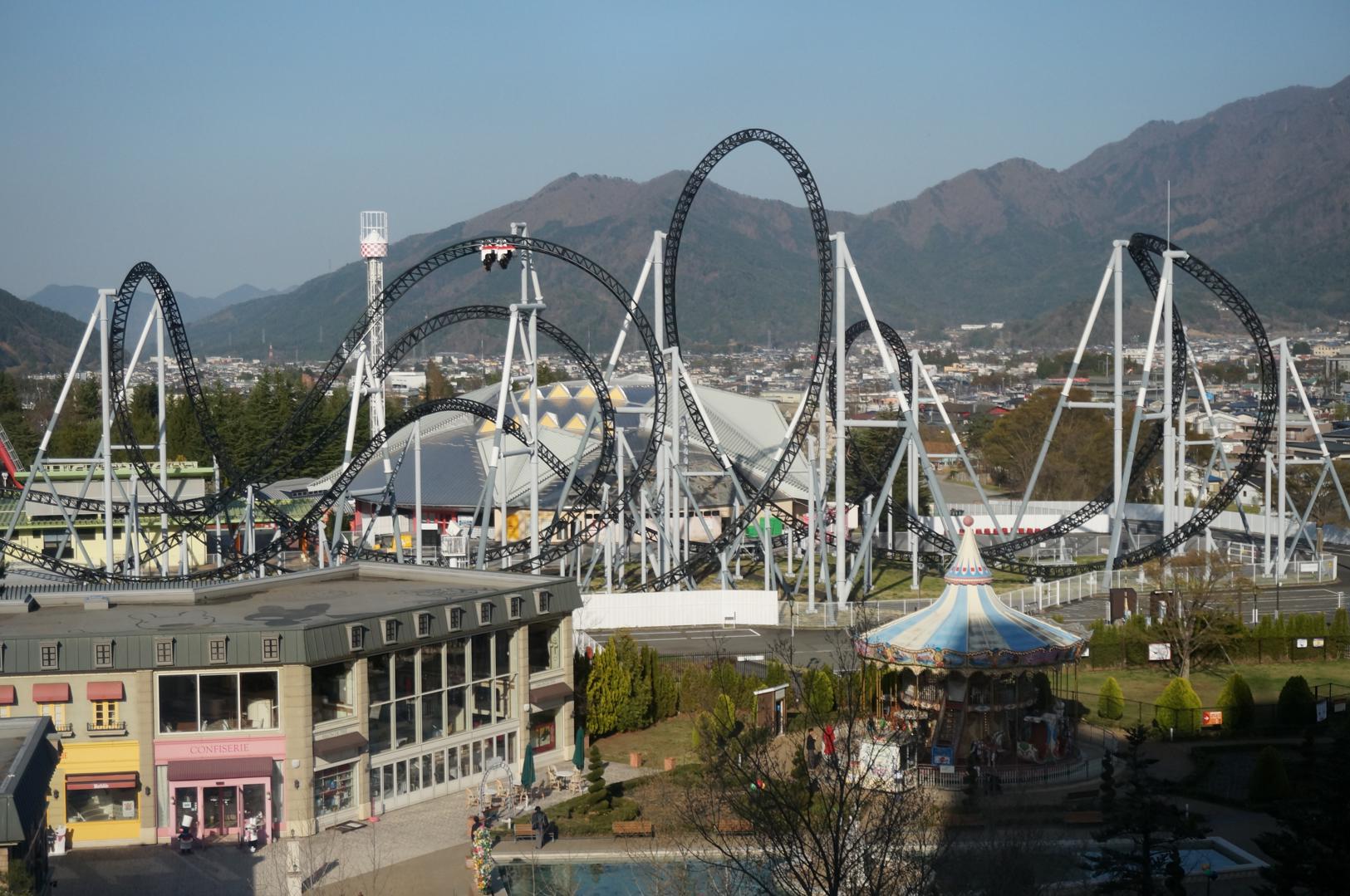
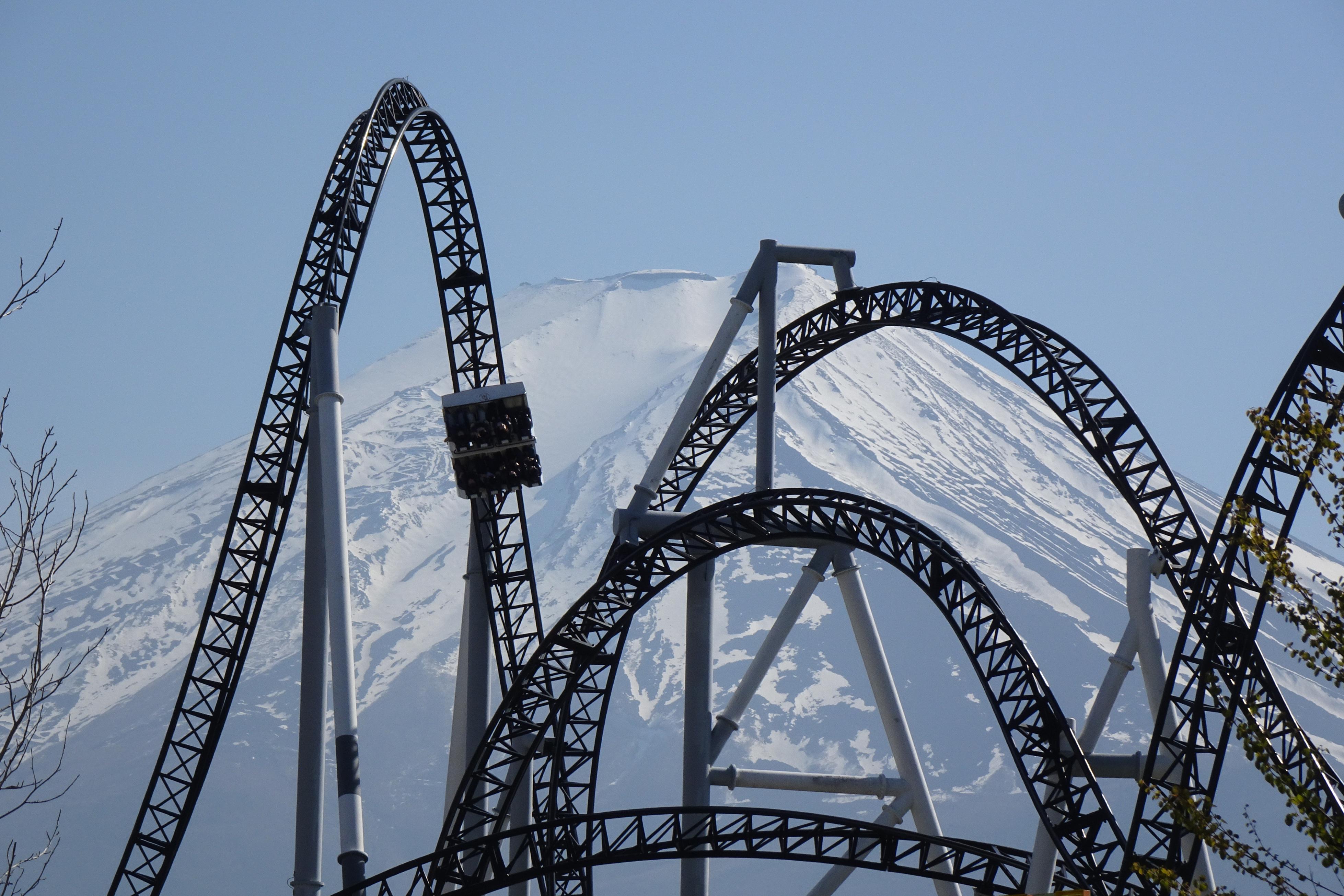
Enthusiasts often describe Fuji-Q Highland as the theme park with the world’s worst operations. I would’ve agreed with that statement in 2013, but today’s experience is significantly more positive. Although we’re visiting the park on a sunny weekend day, Eejanaika and Zokkon are the only rides with wait times exceeding one hour. Queues for other major roller coasters are approximately 30 to 45 minutes, which I find perfectly acceptable. The crew at Takabisha is also working at a rapid pace, resulting in a wait of just 25 minutes. That makes me happy, especially because I wouldn’t want to queue much longer for this ride. Gerstlauer Euro-Fighters aren’t my favourite roller coasters anyway, so I’m certainly not overly excited for this XXL version. Despite its powerful launch, its seven inversions and its beyond-vertical descent, the overall flow of this ride feels quite unnatural. Those clunky shoulder restraints aren’t comfortable and I still find vertical lift hills absolutely dreadful. However, to end on a positive note, I’d like to mention that Takabisha and Mount Fuji make a very photogenic pair.
DARK RIDES
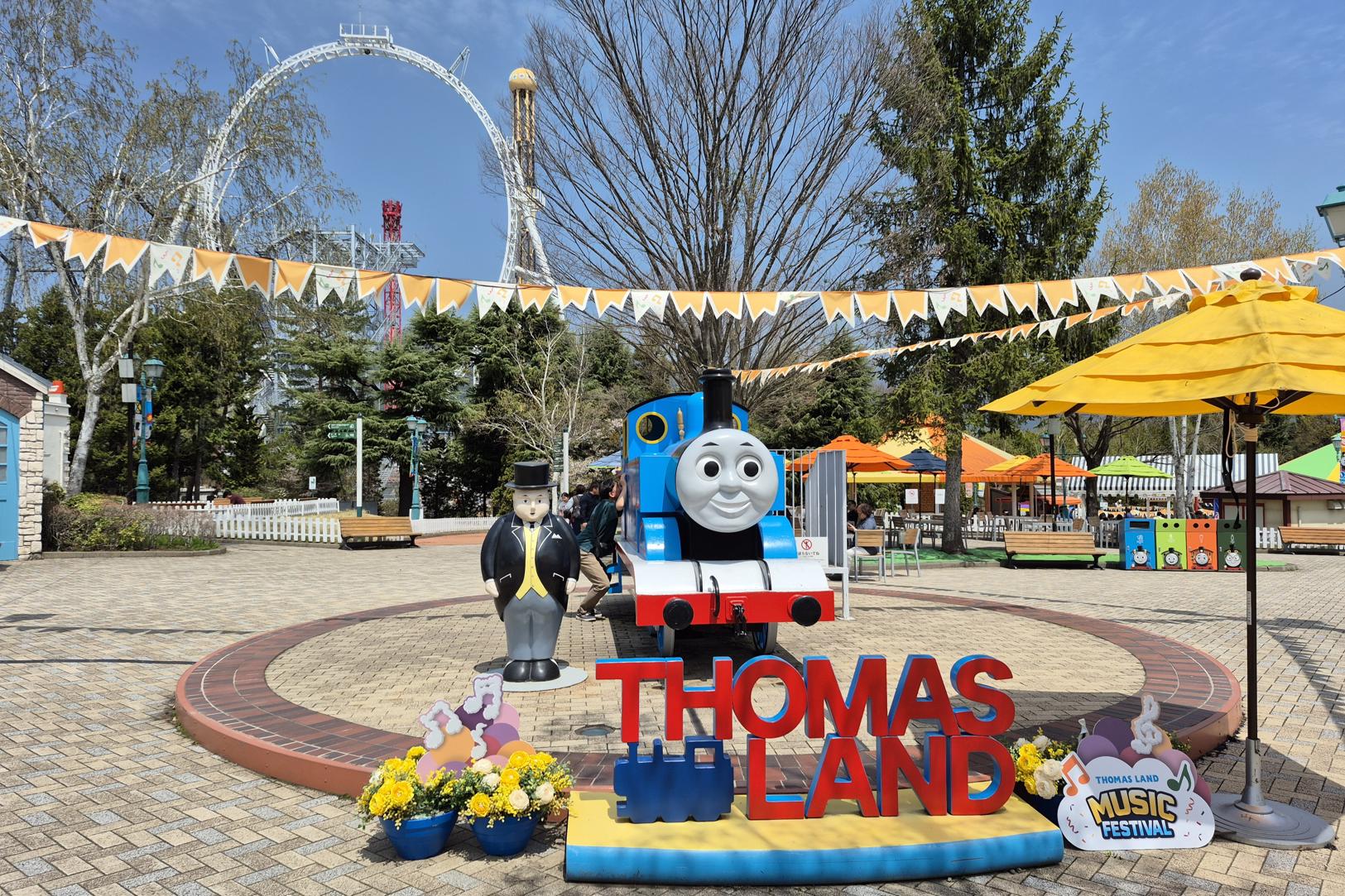
If you’re looking for highly-themed roller coasters, Fuji-Q isn’t the place to be. Yet, families with young children will find charm and surprisingly decent theming in Thomas Land. This zone is based on the Thomas the Tank Engine animated series. His land features British architecture and there is noticeably more greenery than in the other parts of Fuji-Q Highland. You’ll find a few carrousels, a mini log flume, a tiny kiddie coaster and a small-scale dark ride. Thomas’ Treasure Hunt obviously can’t match the high standard of the dark rides at Tokyo Disney Resort, but it does have a certain feel-good vibe. The scenes are cute, the music is cheerful, and the designers clearly wanted to show off by integrating a turntable and a switch track. Impressive!
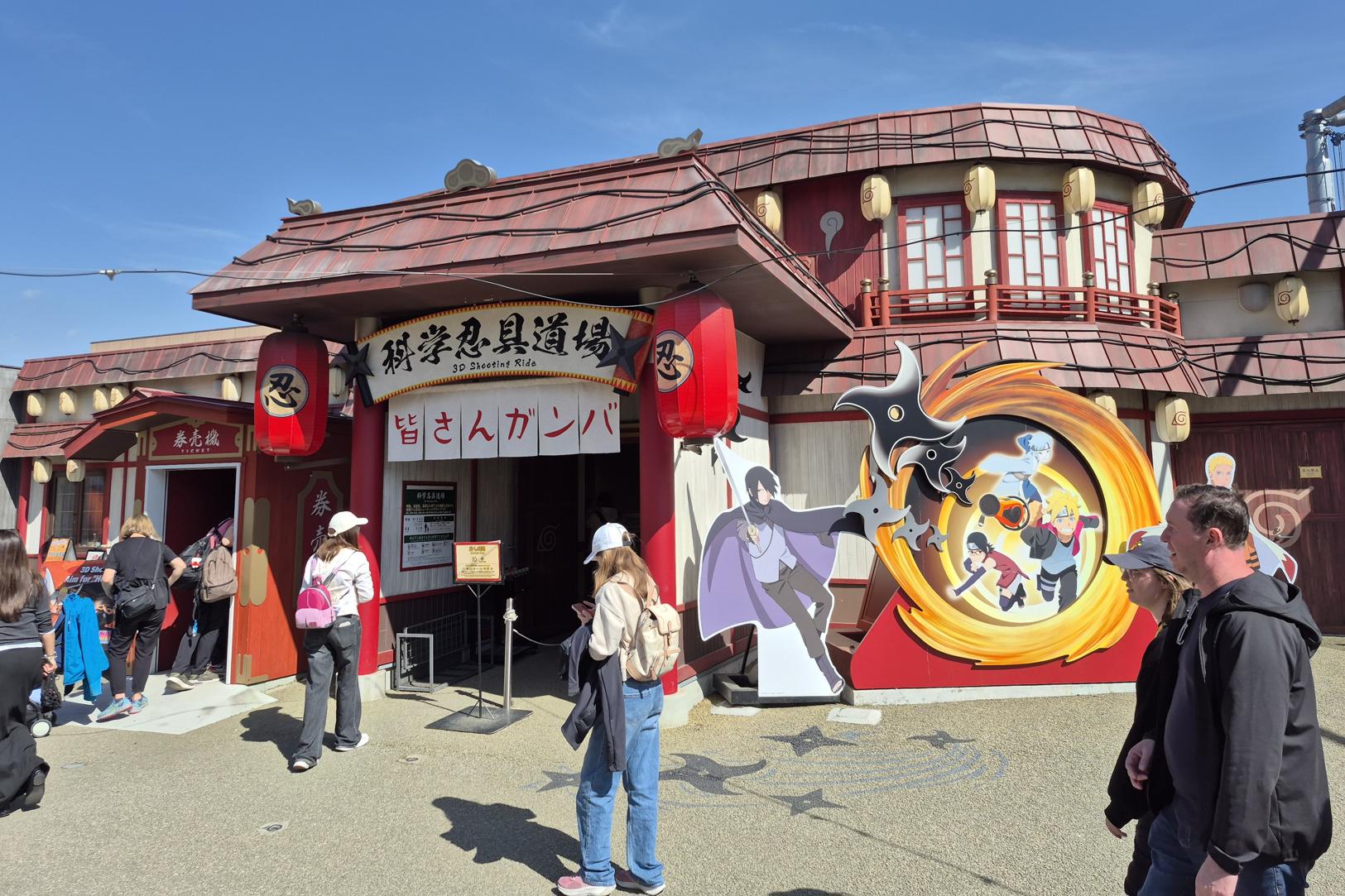
Another themed land at Fuji-Q Highland is the so-called Naruto × Boruto Fuji Hidden Leaf Village. The village is based on an anime series about ninjas and it therefore features a distinctly Japanese design. Although we are not familiar with the characters, it is nice to see that Fuji-Q is making an effort to invest in theming for its more recent expansions. ETF Ride Systems was commissioned to deliver an attraction in the style of Toy Story Mania, albeit one fitting the ninja theme. Naruto × Boruto Ninja Voltage 3D Shooting Ride doesn’t count as a world-class interactive dark ride, but it’s nice to find a calmer attraction amidst Fuji-Q’s thrill-heavy lineup.
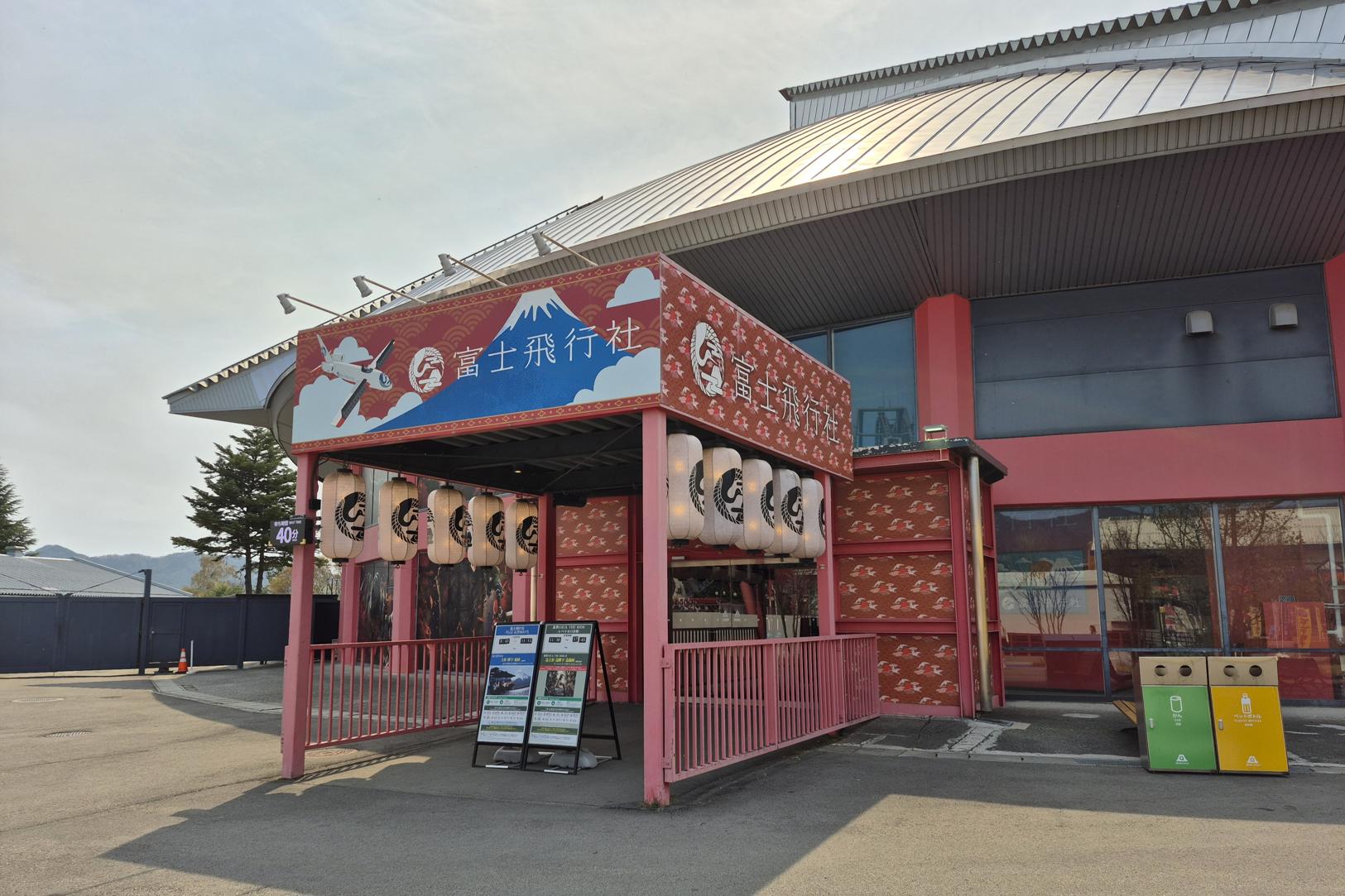
Finally, there is Fuji Airways, a Flying Theatre manufactured by Brogent Technologies. Over the past decade, this Taiwanese company has established itself as the leading name in virtual flight experiences. They are responsible for This is Holland, FlyOver America and Voletarium at Europa-Park. Fuji-Q Highland opted for a medium-sized version, which was integrated into an existing (rather dilapidated-looking) building near Takabisha. The film shows Mount Fuji throughout the four seasons from every possible angle. That’s a brilliant idea and I thoroughly enjoy the stunning images. However, the flight lasts over seven minutes, causing a certain ‘volcano fatigue’ during the second half of the ride. In my opinion, they could’ve easily been a bit more selective with the footage.
OTHER EXPERIENCES
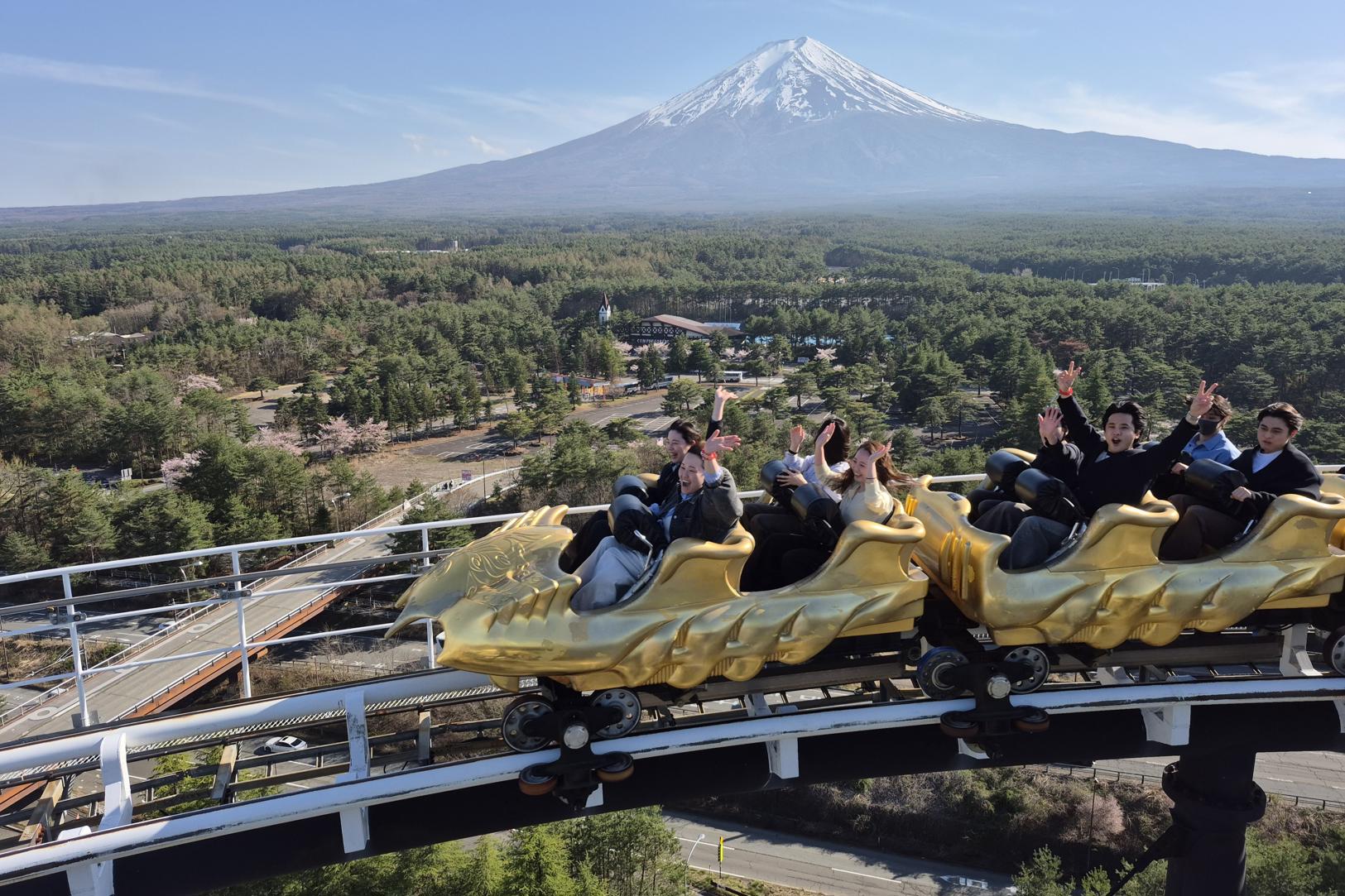
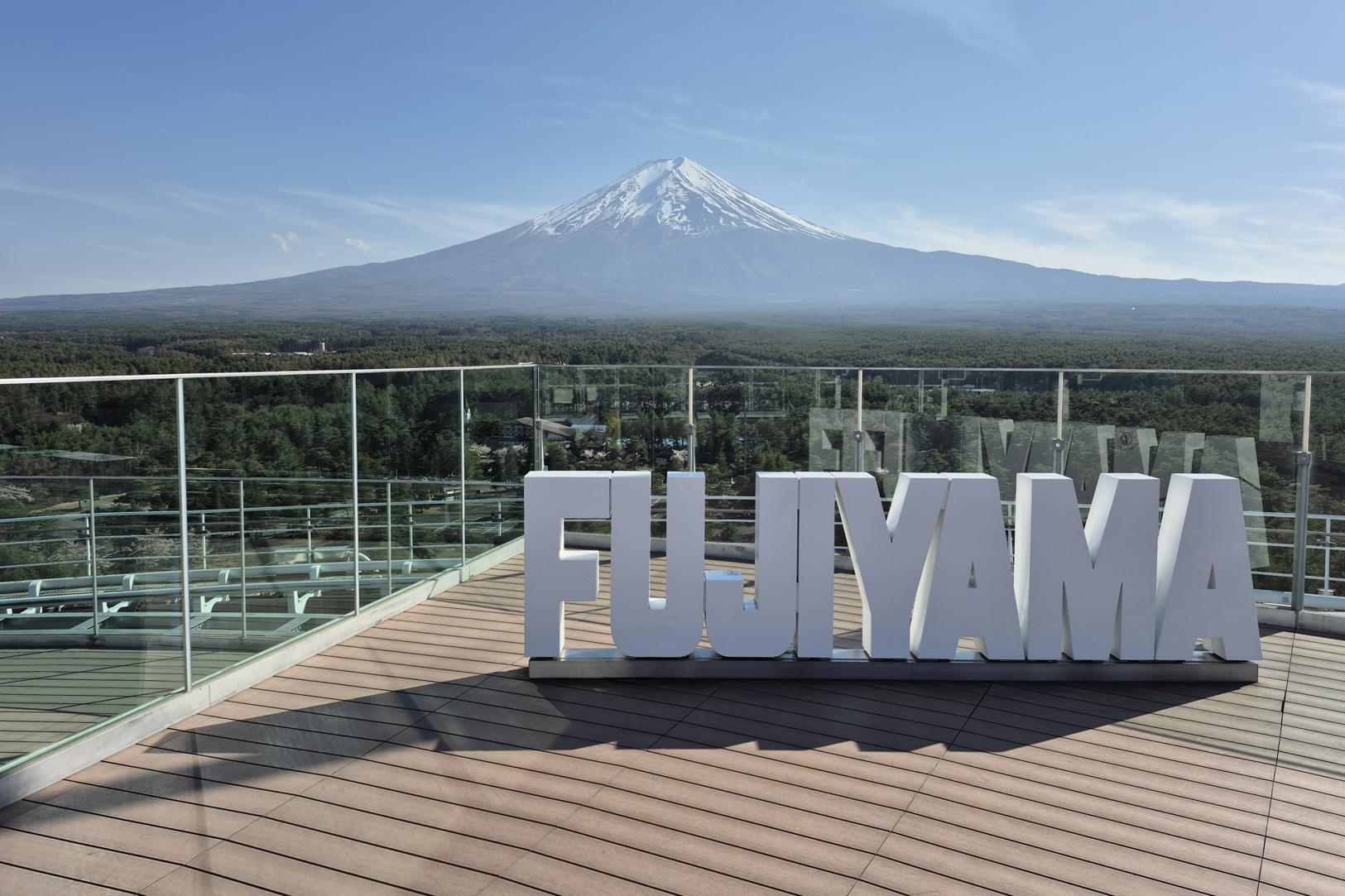
It’s nice to take a virtual flight around Mount Fuji, but it’s obviously even better to just admire the mountain in real life. We’re lucky enough to be spending a beautiful and clear day at Fuji-Q Highland, so Fuji’s snow-capped peak can always be seen somewhere on the horizon. Our most perfect photos were shot from the 180-feet-tall (55 metres) Fujiyama Sky Deck. This panoramic platform is located outside the park, but access is included in a standard Ride Pass. So be sure to take a short break from the theme park crowds in the afternoon to enjoy these phenomenal views. By the way: the Sky Deck is situated adjacent to Fujiyama’s first turnaround, so you’ll regularly see a train full of ecstatic passengers passing by.
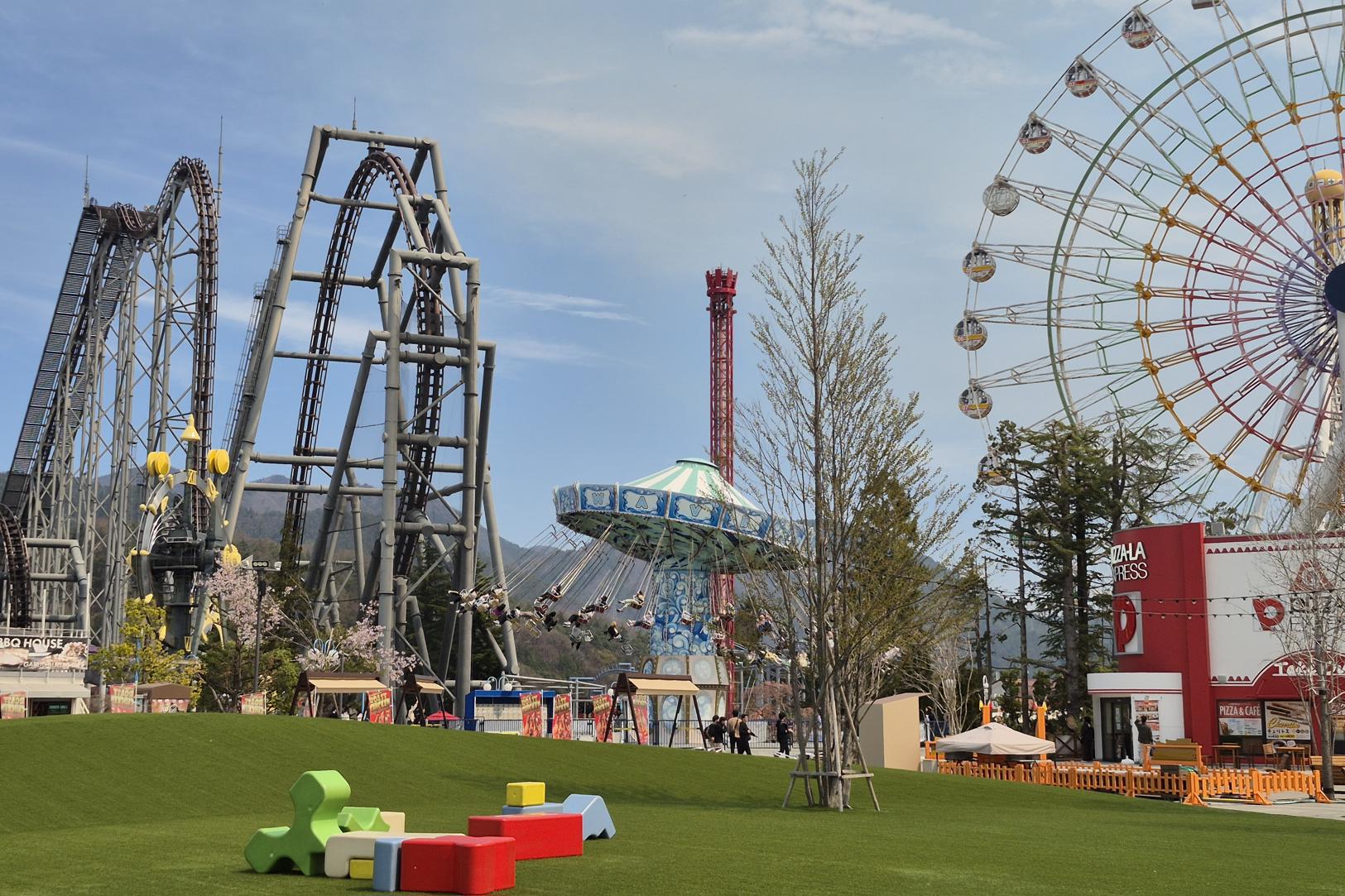
Attention to all flat ride lovers: although Fuji-Q owes much of its fame to the roller coasters, the park offers a good amount of spinning and swinging attractions as well. In the family-friendly section, the options include a Ferris wheel called Shining Flower, a Wave Swinger and a classic teacup ride. If you’re looking for more intense experiences, then make your way to the inverting Panic Clock, Tentekomai (a Gerstlauer Sky Roller), a Star Flyer and a Giant Frisbee called Tondemina. The lineup is very extensive, but unfortunately Fuji-Q has made little to no effort when it comes to theming. Most of these rides were placed on a bare concrete slab, and the Giant Frisbee is even ‘decorated’ with unsubtle advertising for takeaway pizzas.
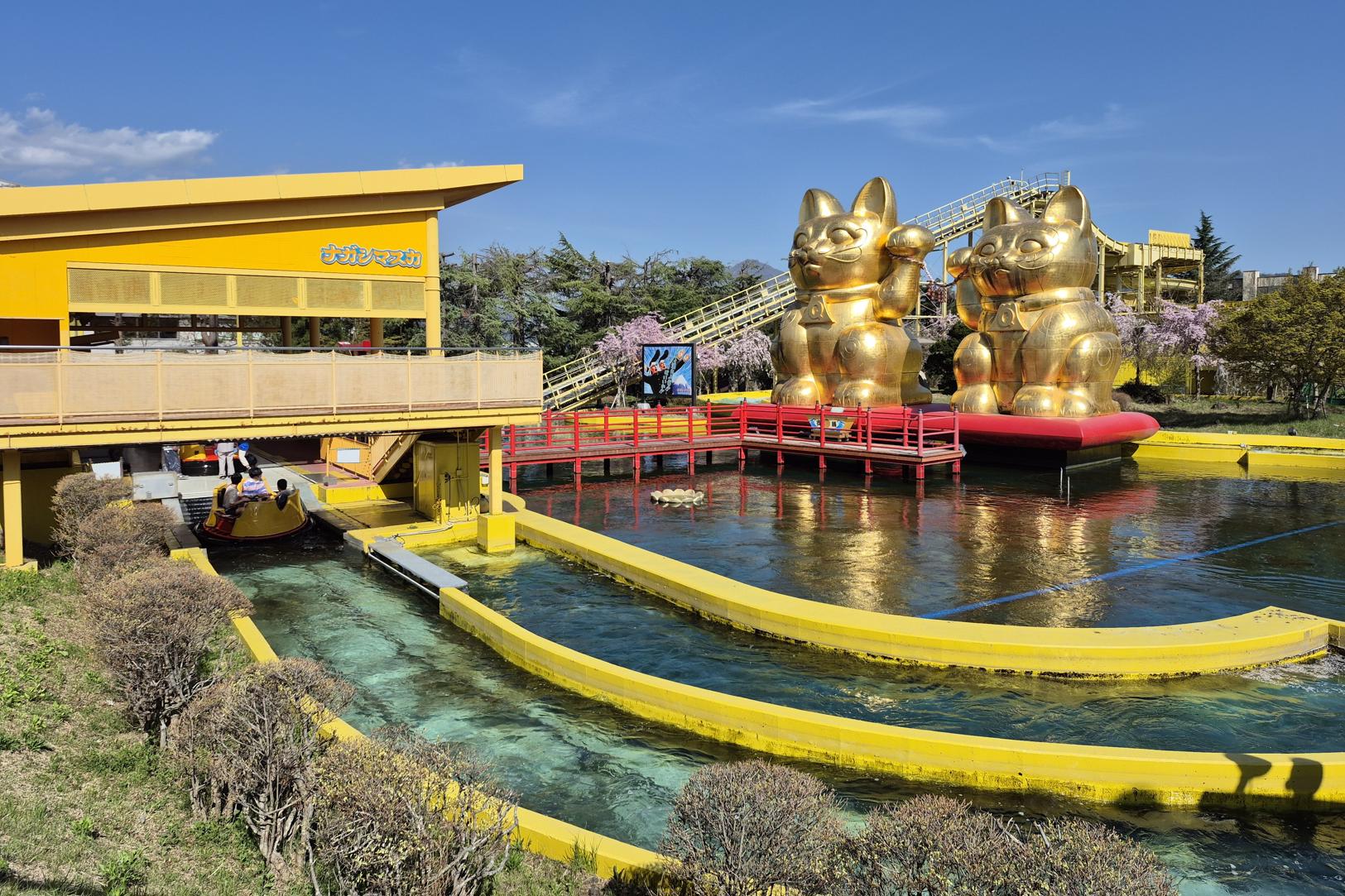
Finally, a quick word about two attractions we didn’t ride ourselves. On Fuji-Q’s website, Labyrinth of Fear is described as the longest and scariest haunted house in the world. This may sound like cheap marketing, but it may indeed be one of the longest walk-throughs I know, as a visit reportedly lasts 50 minutes. We aren’t keen on jump scares and spooky walk-throughs, so we’re giving this experience a miss. We’re also skipping the nearby Nagashimasuka, albeit for totally different reasons. This is a quite unusual water attraction that combines features of a rapid river with elements of a water slide. It looks pretty fun and those two oversized gold-coloured cats make the ride stand out from a theming point of view. Still, we really don’t like getting wet.
WORTH A VISIT?
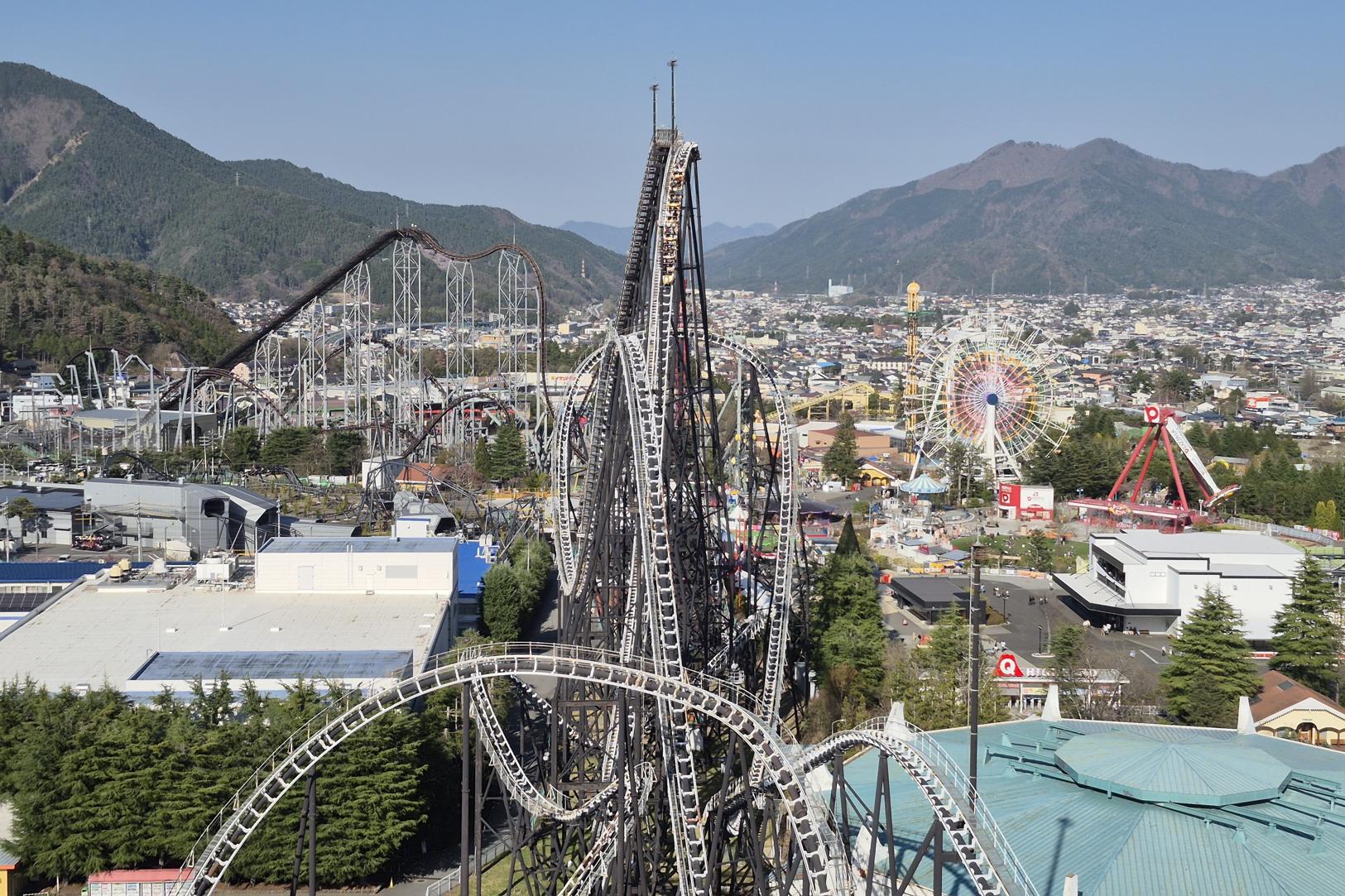
Fuji-Q Highland is an iconic destination for roller coaster enthusiasts. Although the park lost one of its main draws with the demolition of Do-Dodonpa, the thrill collection remains nothing short of impressive. Eejanaika and Fujiyama are the most famous names, but Zokkon, Takabisha and the flat rides also guarantee plenty of sensations. Besides, younger visitors can spend quite a few hours in Thomas Land, so Fuji-Q’s attraction lineup feels surprisingly complete. Nevertheless, I’d recommend entering this park with moderate expectations. First of all, the park is far from stunning, despite the stunning backdrop provided by Mount Fuji. Grey is the dominant colour, and in many places you’ll see nothing but concrete and tarmac. Furthermore, safety precautions sometimes feel excessive, as it’s even forbidden to wear a watch while riding a gentle family coaster. Finally, beware of Fuji-Q’s operations. There has been notable progress since our last visit, but this is still a park that should be avoided at all costs on very busy days. Not a bad word about the staff – they do their job with a smile – but extreme safety protocols make it nearly impossible to reach a high hourly throughput on the rides.
PROS & CONS

- Impressive views of Mount Fuji
- Easy access from Tokyo
- Excellent attraction collection for thrill lovers

- The park’s signature roller coasters aren’t exactly smooth
- Mediocre operations
- Lack of theming and atmosphere
Nagashima Spa Land remains Japan’s best coaster destination. It offers a wider range of attractions (including the very best roller coaster in the whole country) and the park doesn’t feel as cramped as Fuji-Q. That said, we definitely enjoyed our day at Fuji-Q Highland, partly because of the unmatched views of my second-favourite Japanese volcano. But what is your opinion of this amusement park at the base of Mount Fuji? Do you consider yourself a fan of Eejanaika? What did you think of the view from the Fujiyama Sky Deck? And am I the only one who fell in love with that dark ride in Thomas Land? Share your thoughts in the comments section below.
This article reflects my personal experience at Fuji-Q Highland during a visit in April 2026.
 Roller Coaster Traveller